

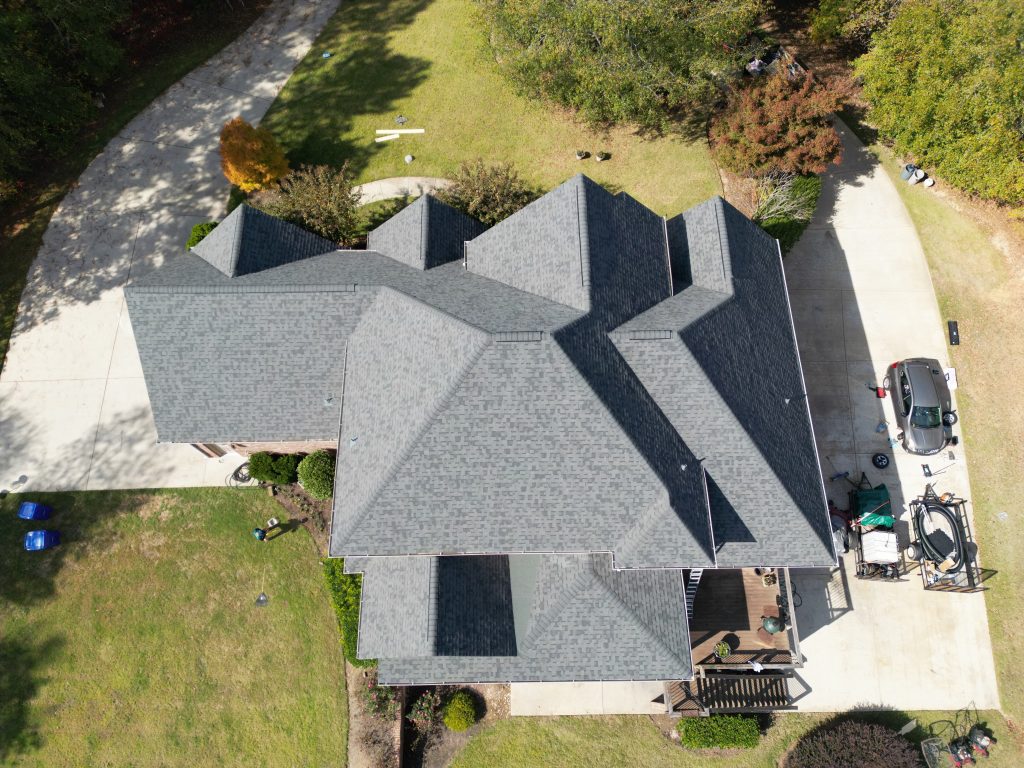
A severe storm can leave a roof vulnerable to leaks, loose shingles, and structural damage. In Birmingham, Alabama, strong winds, hail, and falling tree limbs can affect different parts of a roofing system. Some problems are visible immediately, while others remain hidden beneath shingles or inside the attic.
For homeowners, the challenge is knowing which steps to take first. Delaying an inspection can allow water to spread into ceilings, insulation, and wooden framing. On the other hand, approving repairs before understanding the damage can lead to unnecessary expenses.
At HK Construction, we understand the importance of identifying roofing problems and making informed repair decisions. If your home has experienced severe weather, this guide explains how to assess the situation safely, protect your property, document the damage, and determine your next steps.
- Protect Your Home Before Inspecting the Roof
After a storm, your priority should be safety, not roof repairs. Damaged roofing materials, unstable tree limbs, and electrical hazards can make the area around your home dangerous.
Before approaching the affected area, check for:
- Fallen power lines or broken electrical equipment.
- Tree limbs resting against the house or roof.
- Loose shingles and sharp debris around the property.
- Sagging ceilings or visible structural deterioration.
- Water entering areas near electrical fixtures.
Keep children and pets away from unsafe sections of the property. Never climb onto a wet or unstable roof to assess the damage yourself.
A sagging ceiling may also indicate trapped water or structural damage, so avoid standing beneath it.
- Identify the Type of Storm Damage
Different weather conditions can affect roofing materials in different ways. Recognizing the warning signs helps you explain the problem to a roofing professional and identify areas that need closer inspection.
Wind-Damaged Shingles
Strong winds can lift shingles, break their adhesive seals, or tear them away completely. Look for bare patches, exposed underlayment, and roofing materials scattered around your yard.
Creased shingles also deserve attention. A shingle may settle back into place after being lifted, but the crease can indicate that its protective structure has been weakened.
Missing or displaced shingles can expose the underlying roof layers to rain. The extent of the damage depends on the affected area and the condition of the materials beneath it.
Hail Damage to Roofing Materials
Hail can leave impact marks, ruin shingle surfaces, and dislodge protective granules from asphalt roofing.
Granules help protect shingles from sunlight and weather exposure. However, granule loss can also happen naturally as roofing materials age. Their presence alone does not prove that hail caused the damage.
That’s where our professional roof inspection contractors can help you determine whether the marks, affected areas, and material condition are consistent with recent hail exposure.
Damaged Flashing and Roof Openings
Flashing seals vulnerable areas around chimneys, skylights, plumbing vents, and roof-to-wall connections. If wind or flying debris displaces this material, rainwater enters through the resulting gaps.
You should also look for new water stains on ceilings and walls. These signs can help identify possible problem areas, although the source of a leak may be far away on the roof.
- Arrange a Professional Roof Inspection
Visible damage provides only part of the picture. A roof may have loose shingles, damaged flashing, or weakened underlying materials without an obvious hole.
During the assessment, the roofing specialists should examine the roof covering, valleys, ridge caps, flashing, and accessible drainage components.
Inside the attic, warning signs may include:
- Damp insulation or darkened wooden surfaces.
- Water stains around roof penetrations.
- Moisture on rafters or roof decking.
- Daylight visible through the roof structure.
- Persistent musty odors associated with moisture.
Water can travel along rafters before reaching the interior surface, making it important to identify the actual entry point.
At HK Construction, we understand the condition of the affected areas and the work needed to address them. A clear assessment helps residents understand their options before committing to repairs.
- Limit Further Water Damage With Temporary Protection
If a storm has removed shingles or created an opening in the roof, temporary protection may be necessary before permanent repairs can begin.
Proper roof tarping can help reduce additional water entry while the repair plan is prepared. It is suitable when the roof has exposed underlayment, cracks from a fallen branch, or an opening that allows rainwater inside.
Temporary protection does not restore the roof to its original condition. It delivers a short-term measure to help limit further exposure.
When contacting a roofing contractor for emergency roof repair in Birmingham, Alabama, explain what has happened and whether the roof is exposed or water is actively entering the home.
This information helps the contractor understand the immediate concern and assess the next steps.
Keep receipts for emergency work and materials. Your insurer requests these records when reviewing related expenses, depending on your policy.
- Document the Damage and Contact Your Insurance Company
Accurate documentation helps you explain the loss to your insurance company and keep track of the work required.
Homeowners insurance may cover qualifying loss caused by a covered event, such as certain wind or hail damage. However, coverage depends on the policy, exclusions, deductible, maintenance history, and cause of loss.
Collect Evidence Safely
After the weather clears, photograph visible damage from the ground or another safe location. Do not climb onto the roof to obtain better pictures.
Useful records include:
- Missing shingles and visible roof wear.
- Fallen branches and storm debris.
- Interior water stains and affected belongings.
- Emergency repair invoices and receipts.
- Inspection reports and written repair estimates.
Ask your insurer whether broken materials should be preserved for inspection before disposing of them, unless removal is necessary to address an immediate safety concern.
Understand the Claims Process
Our roofing contractor can document the roof’s condition and prepare an estimate for the necessary repairs. This information may help you discuss the scope of work with your insurance adjuster.
However, a contractor’s assessment does not determine whether a claim will be approved. Your insurer evaluates the claim according to the policy terms and applicable requirements.
If the insurer’s estimate appears to omit documented damage, request clarification and provide supporting images or inspection findings.
There is a single reporting deadline that applies to every roof damage claim in Alabama. The relevant period can depend on your policy and applicable legal requirements, so contact your insurance company promptly.
- Determine Whether Your Roof Needs Repair or Replacement
Not every storm-damaged roof needs to be replaced. The right solution depends on the extent of the damage, the age of the roofing system, the condition of surrounding materials, and the state of the underlying structure.
When Targeted Repairs May Be Suitable
A repair may be appropriate when the damage affects a limited area and the remaining roofing materials are in good condition.
Examples include replacing missing shingles, repairing damaged flashing, addressing a repairable roof penetration, or correcting a localized roof-edge problem.
Before completing the work, the general contractor should check the underlying materials. Replacing broken shingles will not solve the problem if the roof deck beneath them has also been compromised.
When Replacement May Be Necessary
A partial or full roof replacement is appropriate when corrosion affects several sections, the roof deck has major damage, or the existing materials can no longer provide dependable protection.
The decision should consider:
- The roof’s age and overall condition.
- The condition of the underlying structure.
- The availability of compatible replacement materials.
- The scope and cost of the required work.
A specialized assessment helps determine whether localized repairs are practical or whether a larger project deserves consideration.
At HK Construction, we encourage homeowners to understand the reasons behind a repair recommendation before moving forward.
- Prevent Small Roofing Problems From Becoming Larger
Moisture may ruin insulation, drywall, ceilings, and wooden framing. Persistent dampness can also lead to mold growth when conditions permit.
Other problems can develop when damaged flashing continues to admit water or loose shingles deteriorate further during subsequent storms.
Prompt attention helps limit these risks and makes it easier to document the original damage before additional weather events affect the property.
- Prepare Your Roof for Future Severe Weather
Regular maintenance can help identify roofing problems before they become more serious. While a roofing system is not completely protected against severe weather, addressing existing weaknesses can help maintain its condition.
Consider these preventive measures:
- Schedule periodic roof inspections, particularly as materials age.
- Keep gutters and downspouts clear of leaves and debris.
- Check accessible attic areas for signs of moisture after heavy rainfall.
- Keep roofing invoices, inspection reports, warranties, and insurance records organized.
- Ask a roofing expert about improvements suited to your roof’s design and local building requirements.
Attic ventilation also helps regulate heat and moisture, but it cannot repair an active roof leak.
Frequently Asked Questions
What should I do first after storm damage to my roof?
Check for immediate safety hazards and stay off the roof. Take pictures of visible damage from a safe location, look for interior leaks, and arrange an inspection. If the roof is exposed, consider temporary protection to limit further water entry.
Does homeowners insurance cover storm damage to a roof in Alabama?
It also covers eligible loss caused by a covered event, including certain wind and hail damage. Coverage depends on the policy, deductible, maintenance history, and cause of loss. Contact your preferred insurer to understand your specific coverage.
How long do I have to report roof storm damage to my insurer?
The deadline depends on your insurance policy and applicable legal requirements. Contact your insurer promptly and ask for the specific reporting deadline. Keep copies of your communications and supporting documents.
How do I know whether my storm-damaged roof needs replacement?
Replacement may be necessary when damage is widespread, the underlying structure is compromised, or the existing materials can no longer provide reliable protection.
Conclusion
Storm damage can affect shingles, flashing, gutters, and the underlying roof structure. Even when a roof looks intact from the ground, hidden flaws may cause water to enter your home during subsequent rainfall.
At HK Construction, we help homeowners understand their roofing concerns and make informed decisions about necessary repairs. If your roof has suffered storm damage, contact us today to schedule a detailed inspection to identify potential problems and determine the right next steps.